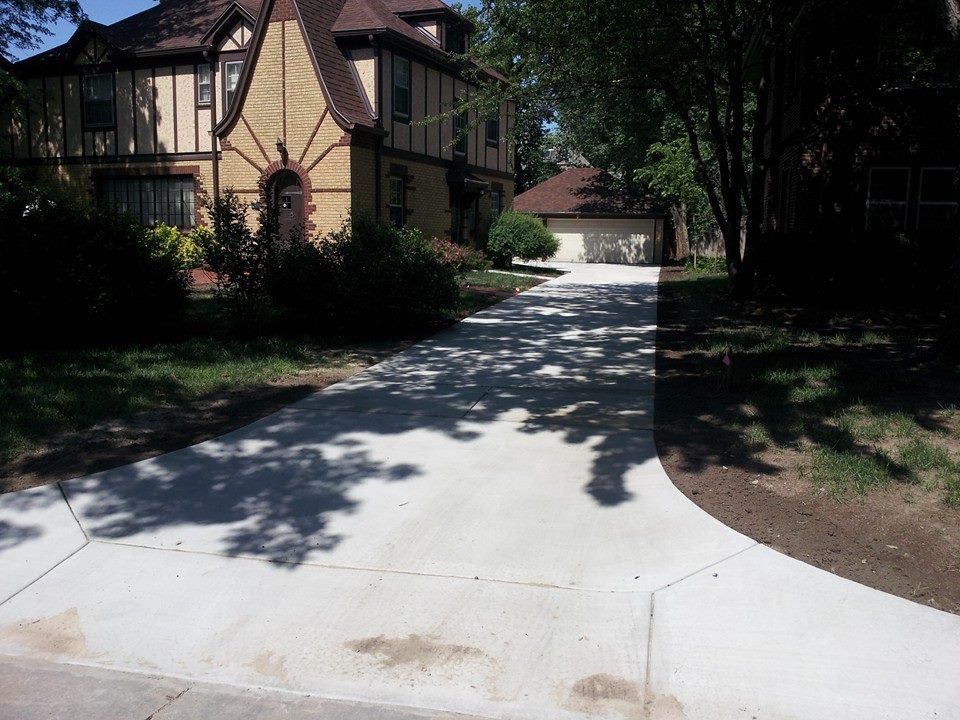
Why Concrete Cracks — and Which Cracks Actually Matter
Which Kansas Concrete Cracks Are Harmless and Which Aren't
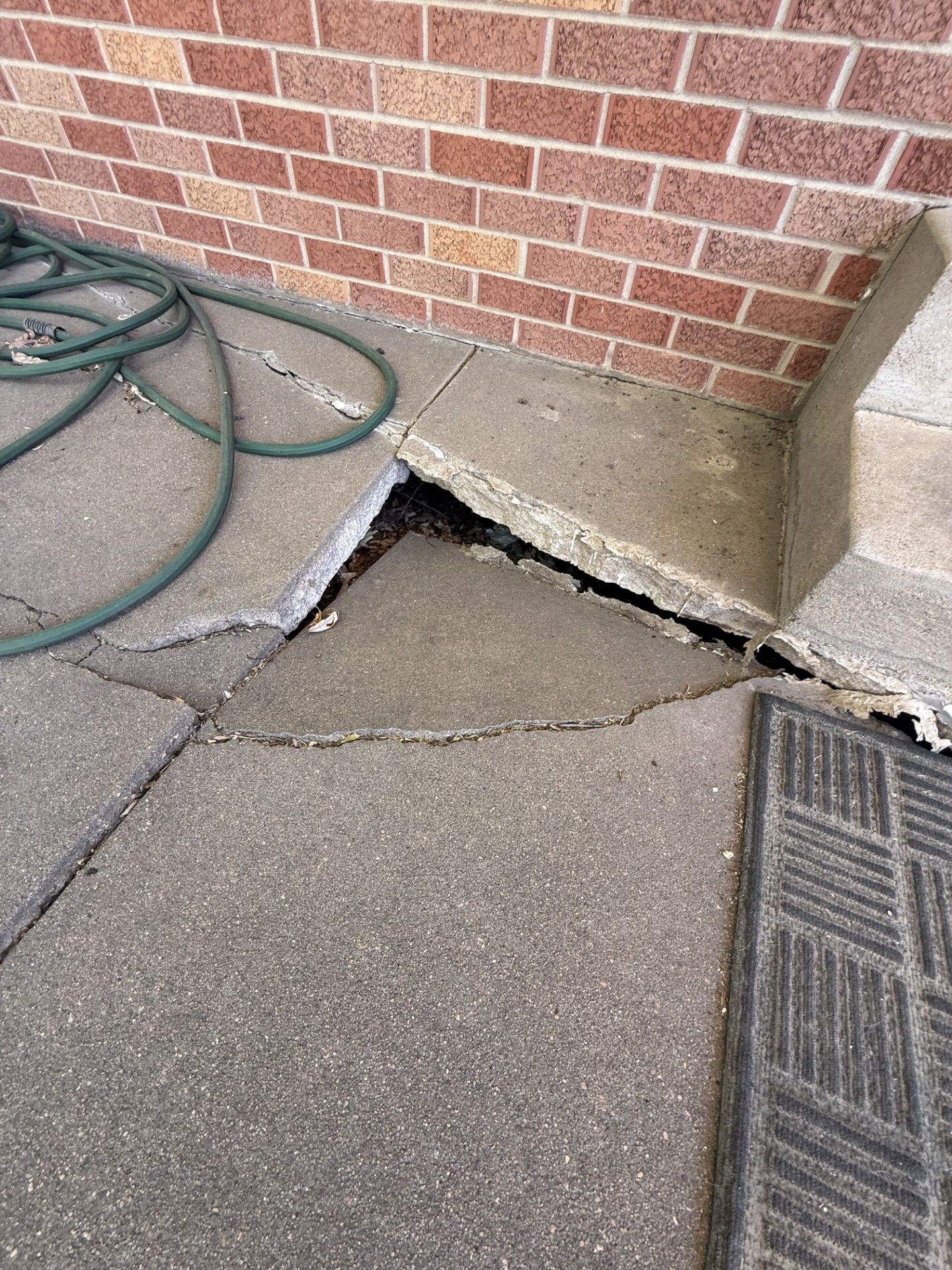
Every concrete slab cracks. That's not a defect — it's physics, and in Kansas the clay and freeze-thaw make it a certainty. The real question isn't whether your driveway or patio will crack, it's which cracks are cosmetic and which mean trouble. Here's how to tell the difference before you spend money fixing the wrong thing.
THE SHORT VERSION ON CONCRETE CRACKS
Nearly every slab develops hairline cracks, and most are harmless and expected.
Cracks that are wide, lifting, or still growing point to a base or drainage problem.
In Kansas the cause is usually clay movement, freeze-thaw, or a skipped control joint.
WHY CONCRETE CRACKS IN THE FIRST PLACE
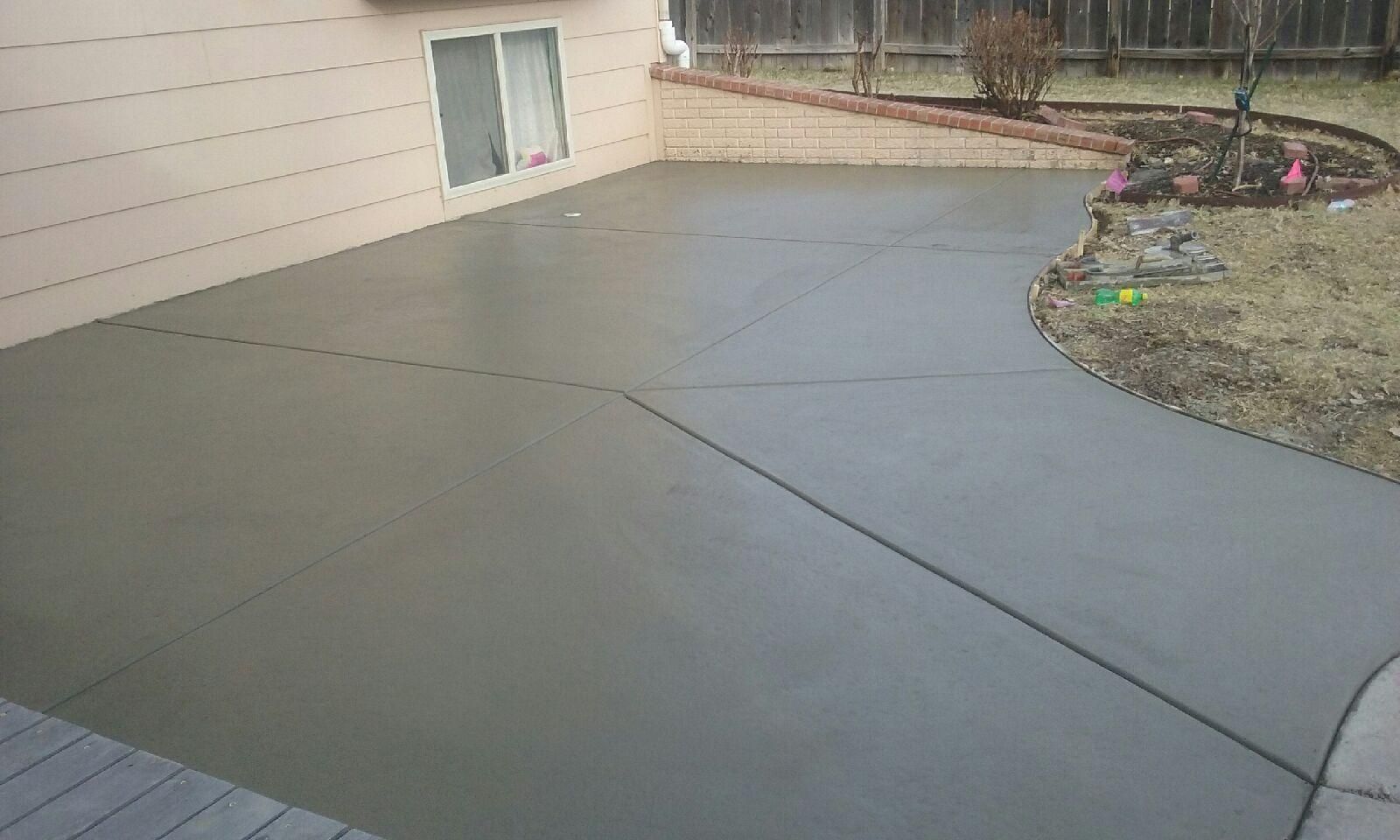
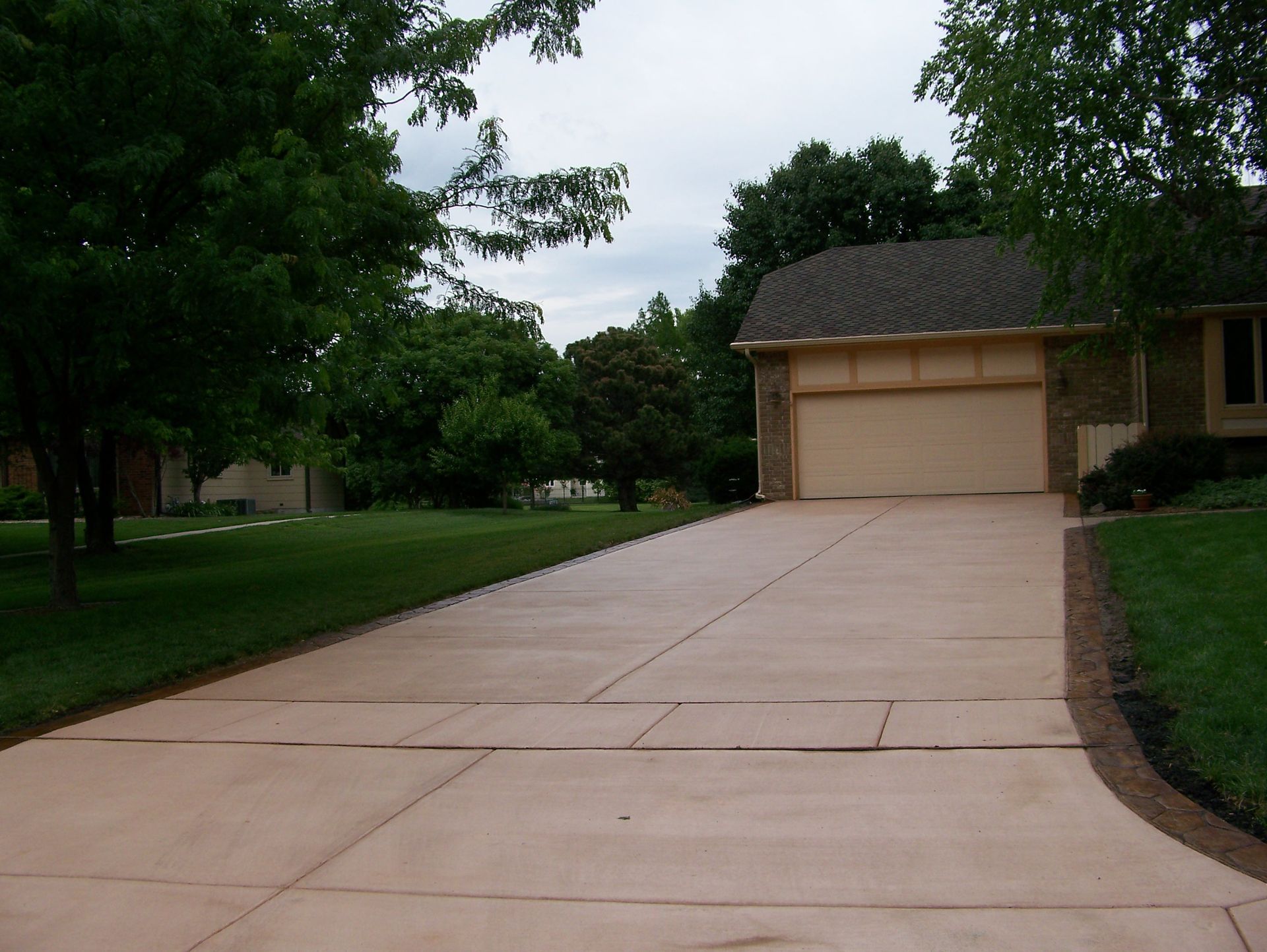
Concrete cracks because it shrinks as it cures and then moves with the ground under it. A slab loses water for weeks after the pour and pulls itself tighter as it goes. Add Kansas clay that swells in a wet spring and shrinks in a dry August, plus freeze-thaw tugging at the surface all winter, and some cracking is simply going to happen. Control joints are where we plan for it — grooved lines that tell the slab where to crack so it does it straight and hidden instead of wandering across the finish.
A slab poured with no control joints will still crack, just wherever it wants.
TELL A HARMLESS CRACK FROM A BAD ONE
Look at width and height first. A hairline crack you can barely catch a fingernail in is cosmetic. A crack wider than about an eighth of an inch, one where the two sides sit at different heights, or one that keeps growing is the kind worth a second look. Water pooling along a crack makes any of them worse fast.
Not sure which kind you've got? Send us a photo or book a free estimate and we'll tell you straight. Call 316-945-3232.
WHICH CRACKS ACTUALLY MATTER
The cracks that matter are the ones that move, widen, or let water in. A vertical offset, where one side of the crack sits higher than the other, means the slab is settling or heaving, not just shrinking. Cracks that spider out from a low spot, open and close with the seasons, or run through a slab with no joints are telling you the base or the drainage is the real problem. Sealing over those only hides the clock.
Cosmetic cracks you can fill and forget. Moving cracks you fix at the base.
WHAT TO DO BEFORE IT GETS WORSE
Keep water away from the slab and seal the harmless cracks before winter. Grade so water runs off instead of toward the concrete, clean and fill hairline cracks, and keep deicers off the surface. For a crack that's lifting or spreading, get it looked at before another freeze-thaw winter pries it open.
Want a straight answer on whether it's cosmetic or structural? Book a free estimate at bnbbuilders.com.
FROM THE FIELD
Most cracked-slab callbacks we get in Wichita trace back to the same two things: water running toward the concrete, and a slab poured without enough control joints or over a base that was never compacted. We've opened up plenty of mystery cracks to find a downspout dumping right at the edge or clay that never got tamped. When the base is right and the water runs away, a slab cracks at its joints and nowhere else, and that's a slab you stop thinking about. When it isn't, you chase the same crack every spring.
THE CRACKS WORTH WORRYING ABOUT
Hairline cracks are normal, but moving, widening, or water-fed cracks are a base problem you fix once. The cheapest time to deal with a bad crack is before the next Kansas winter works on it. Get an honest read before you seal or pour over anything.
P.S. — Before winter drives that crack wider, grab a free, no-pressure estimate: call 316-945-3232 (Wichita) or 913-453-3232 (Kansas City), or email office@bnbbuilders.com. Follow us on Facebook for 10% off your project, up to $500.
Share this article: