Build a Deck That Survives Kansas Frost Heave
Why Footing Depth Makes or Breaks a Deck in Wichita Winters
A deck that felt rock-solid in July can show a wobbly post and a gap at the ledger board by February. In Kansas, that's almost always frost heave — water in our clay soil freezes, expands, and lifts anything sitting too shallow. The fix isn't fancy hardware. It's getting your footings below the frost line before you set a post.
TL;DR: Deck Footings and Frost Heave
- Shallow footings heave — Kansas clay holds water that freezes and pushes posts upward.
- Get footing bases below the frost line, roughly two and a half to three feet down here.
- A proper footing on undisturbed soil beats expensive brackets every time.
Why Kansas Decks Heave and Shift
Frost heave happens when water freezes in the soil under your footing and pushes it up. Our expansive clay makes it worse — it soaks up water, swells, and grips a shallow post like a fist.
- A post set only a foot deep sits right in the freeze zone.
- One corner lifts, the frame racks, and the ledger pulls from the house.
- You see it as a sloped deck, popped fasteners, or a door that won't latch.
Quick Start: Check Your Footing Depth
Walk your deck after the first hard freeze. Sight down each beam for sag, check each post base for lift, and look for new gaps where the deck meets the house. Movement in year one means the footings didn't go deep enough.
Not sure how deep yours went? Call B & B Builders for a free deck inspection at 316-945-3232 before a small lift turns into a full rebuild.
How We Pour Footings That Hold
A footing that holds gets its base below the frost line and sits on undisturbed soil, not loose backfill. Around Wichita, that means digging a good two and a half to three feet down so the freeze can't get under it.
- We dig to firm, undisturbed ground and widen the base so nothing lifts it.
- Poured concrete piers, not patio blocks on the surface.
- Posts anchored above grade, so the wood never wicks ground moisture.
Quick Start: Plan Your Deck Build Right
Before you hire anyone, ask three things: how deep the footings go, whether they land on undisturbed soil, and how the posts attach above grade. Get the answers in writing.
Picking materials too? We'll weigh wood versus composite with you, then book a free estimate so the build and the budget are locked in together.From the Field
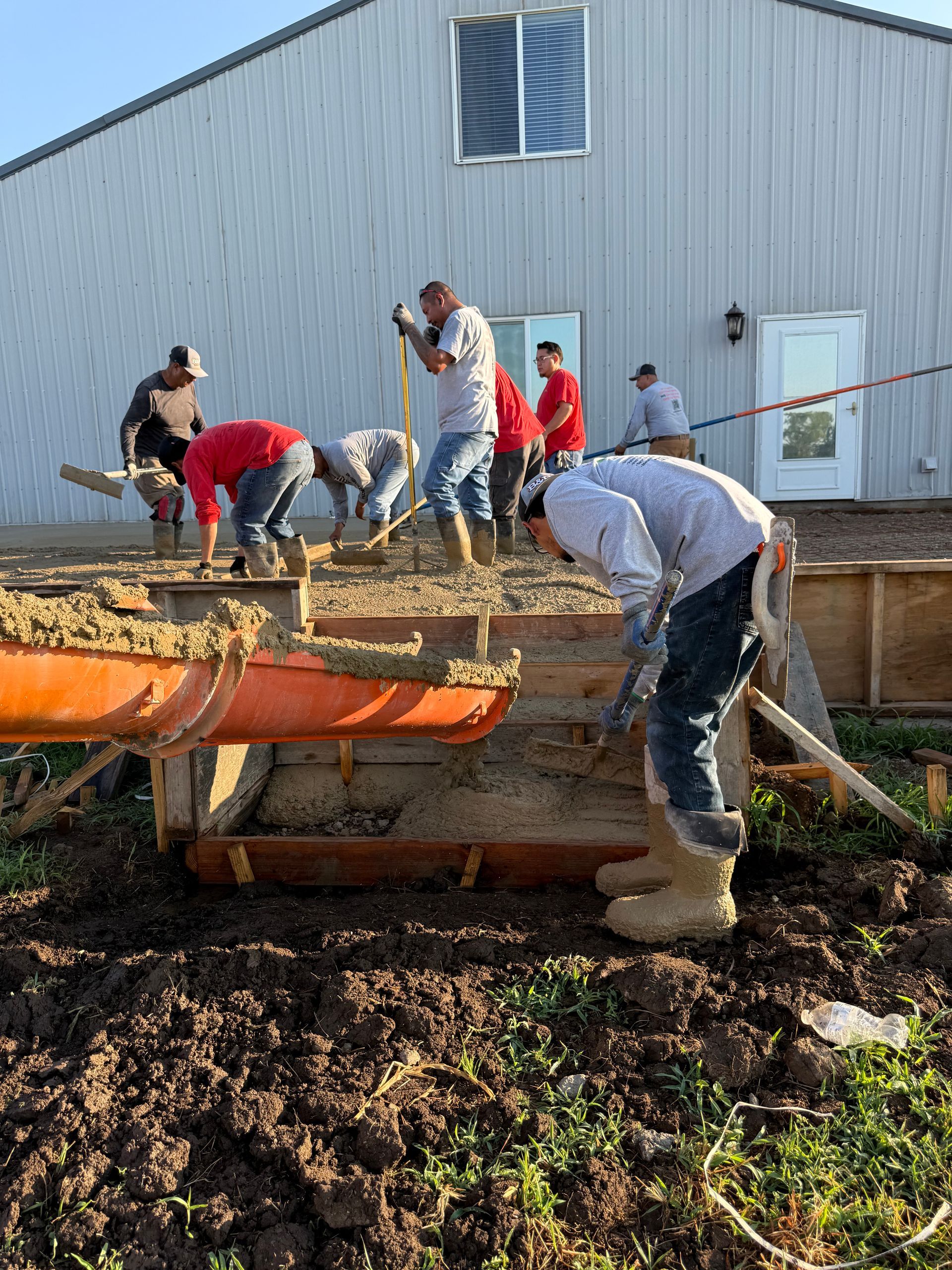
Most sagging decks we get called to fix weren't built badly up top — the framing is usually fine. They failed at the dirt. We've pulled foot-deep footings and patio blocks out from under decks that moved after one winter, re-dug below the frost line, and set proper piers. On a wet fall, we'll let a freshly dug hole sit and re-check the Kansas clay before we pour, because setting a footing on soft, saturated ground buys a callback in March. That extra day beats jacking a deck level in the spring.
The Bottom Line: Go Deep or Go Again
A deck is only as stable as what's under it. Get the footings below the frost line on undisturbed Kansas soil and it stays level for decades; skip that step and you'll pay for it twice.
P.S. — Building before the ground freezes? Book a free estimate at 316-945-3232 (Wichita) or 913-453-3232 (Kansas City), and B & B Builders will handle every phase in-house, from footings to railing.
Share this article: